Bridging the Gaps: HIEs and the Future of US Healthcare Data
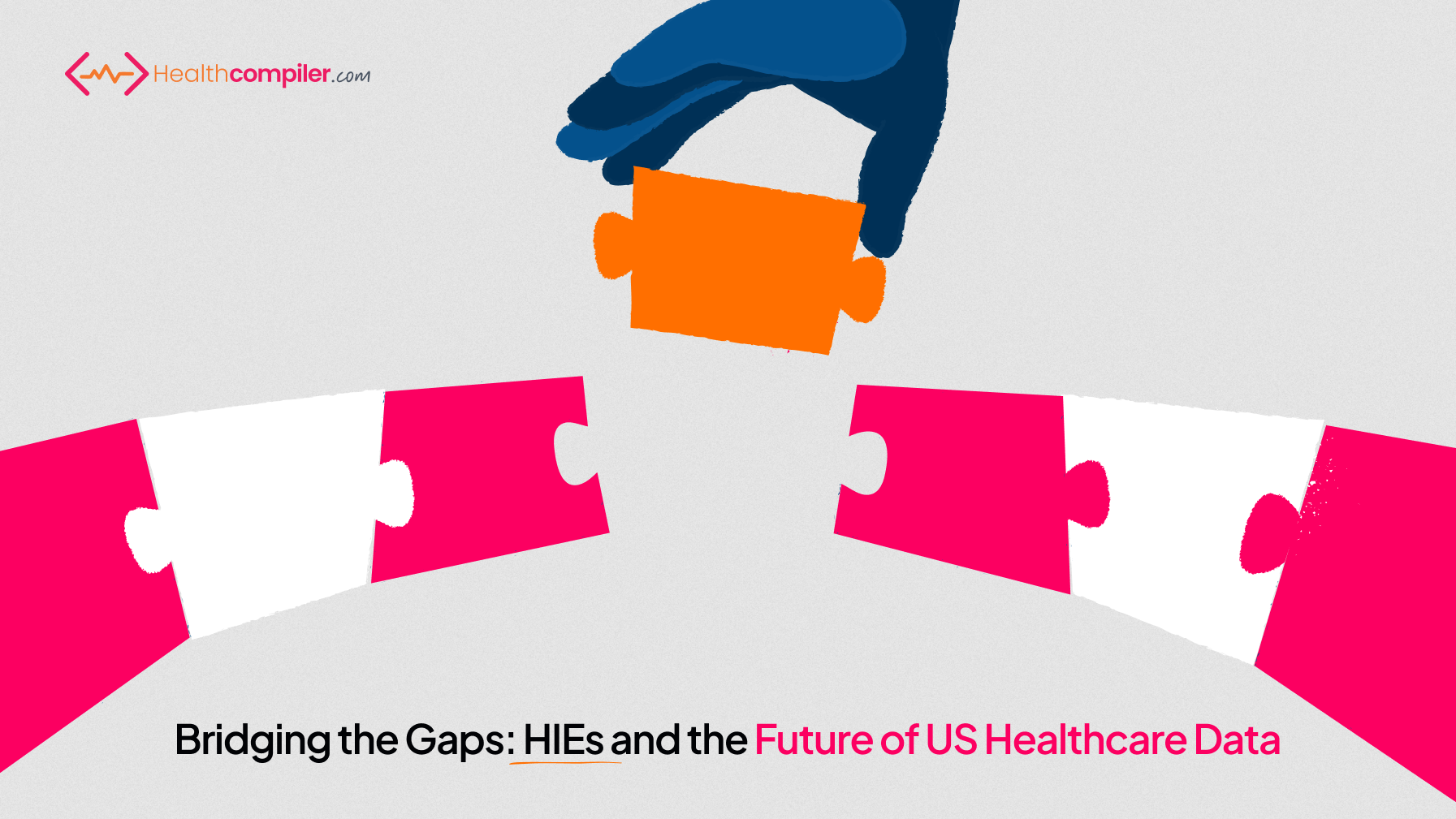
The US healthcare system is notorious for fragmented data. A patient's medical history can be scattered across various providers, making it difficult for doctors to get a complete picture. This lack of information flow hinders care coordination, increases the risk of errors, and wastes valuable resources.
Health Information Exchanges (HIEs) are revolutionizing this scenario. Imagine a secure digital network connecting hospitals, clinics, labs, and pharmacies. HIEs act as this bridge, facilitating the electronic exchange of a patient's medical records between authorized providers. But how exactly do they work under the hood?
The Tech Behind the Exchange
HIEs rely on a combination of technologies to ensure secure and efficient data exchange:
-
Standardized Data Formats: HIEs utilize standard formats like HL7 (Health Level Seven) to ensure different healthcare information systems can understand each other. Think of it as a common language for medical data.
-
Secure Communication Protocols: Robust protocols like HTTPS and encryption algorithms safeguard sensitive patient information during transmission and storage within the HIE network.
-
Identity Management Systems: HIEs employ multi-factor authentication and role-based access controls to ensure only authorized providers can access specific patient data.
Beyond Basics: Advanced HIE Features
Modern HIEs offer more than just simple data exchange:
-
Query-based exchange: Providers can search for specific patient data within the HIE network, allowing them to retrieve relevant medical history from other institutions.
-
Directed exchange: This allows secure electronic transfer of specific data (e.g., lab results, discharge summaries) between providers directly involved in a patient's care.
-
Patient-centered exchange: Some HIEs empower patients to control their health information, deciding what to share with different providers. This fosters patient engagement and transparency.
The Impact of HIEs
By breaking down information silos, HIEs are transforming healthcare in several ways:
-
Enhanced Care Coordination: With a holistic view of a patient's medical history, doctors can develop more informed treatment plans, leading to better continuity of care, especially for chronic conditions.
-
Improved Patient Safety: HIEs reduce the risk of duplicate tests and medication errors caused by incomplete information. Allergies, medication interactions, and past procedures are readily available, promoting safer care.
-
Increased Efficiency: HIEs eliminate the need for patients to physically request and transfer medical records, saving time and resources for both patients and providers.
-
Empowered Patients: Patient-centered HIEs promote patient engagement by allowing them to control and share their health data, fostering a sense of autonomy.
The Road Ahead
HIE adoption is steadily increasing, but challenges remain. Ensuring robust data security, addressing privacy concerns, and achieving nationwide interoperability are crucial for wider implementation. As HIE technology matures, we can expect even greater benefits:
-
Real-time Data Sharing: Imagine doctors having access to a patient's vitals or latest test results from a wearable device in real-time. This can revolutionize emergency care and remote patient monitoring.
-
Advanced Analytics and Population Health: Aggregated data from HIEs can be used for population health research, identifying trends, tracking disease outbreaks, and informing preventative healthcare strategies.
-
Precision Medicine: Secure and standardized data within HIEs can fuel personalized medicine initiatives. By analyzing a patient's unique medical history alongside genetic data, doctors can tailor treatments for optimal outcomes.
Conclusion
HIEs are paving the way for a more connected and efficient US healthcare system. By leveraging technology to bridge the data gap, HIEs empower providers, improve patient safety, and ultimately, hold the potential to transform how healthcare is delivered in the US.